Children respond better to video content than text. YouTube remains one of the most comprehensive resources for visual learning. YouTube Kids provides parental controls and safe search options, allowing children to watch educational videos on any subject without encountering inappropriate content.
Visual learning improves retention, and YouTube covers virtually every topic students need to learn.

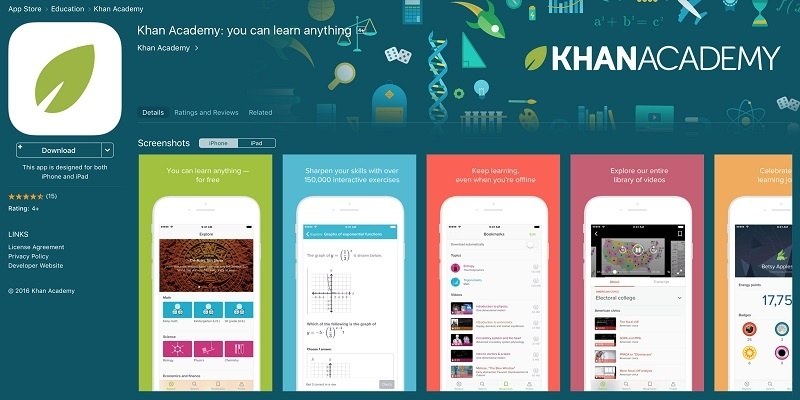
Khan Academy offers free lessons on subjects from basic mathematics to advanced physics. The Khan Academy app explains complex topics like the Krebs cycle in simple, understandable language.
Students can learn at their own pace with no pressure. The app functions like having a patient teacher available anytime.
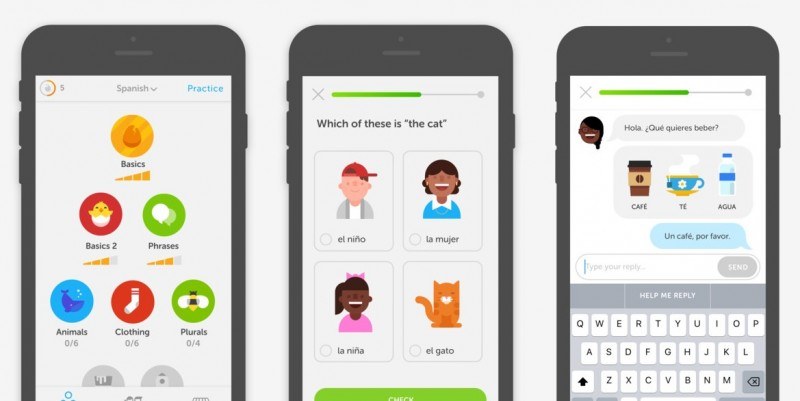
For students studying foreign languages, the Duolingo app turns language learning into an engaging activity. It offers lessons in French, Spanish, German, and English with pronunciation and spelling practice.
The app uses repetition and reward systems to improve retention, making it an effective complement to classroom language instruction.
Strong reading skills benefit every subject. The Amazon Kindle app provides access to thousands of books, many free, making it easier to build reading habits and expand vocabulary.
Carrying a digital library is more practical than physical books. Alternative options include Google Play Books and Nook.

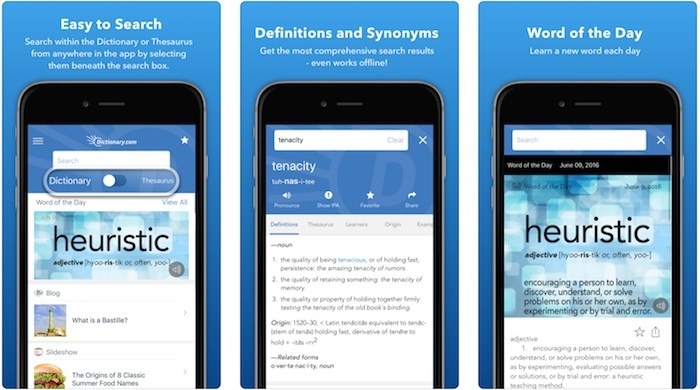
This dictionary app provides access to over 2 million English words with definitions, synonyms, antonyms, and etymology.
The "Word of the Day" widget teaches new vocabulary passively. While the free version includes ads, the paid version offers distraction-free learning.
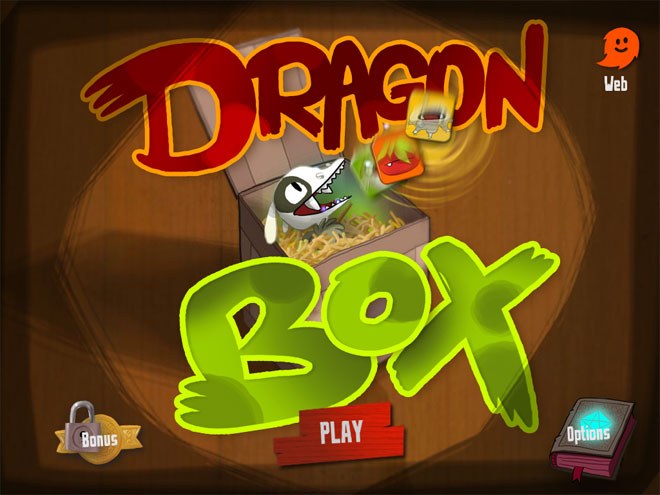
Mathematics intimidates many children. The Dragon Box app addresses this by teaching algebra and geometry through games and interactive videos.
Children learn mathematical concepts naturally through play, making the subject less intimidating and more accessible.
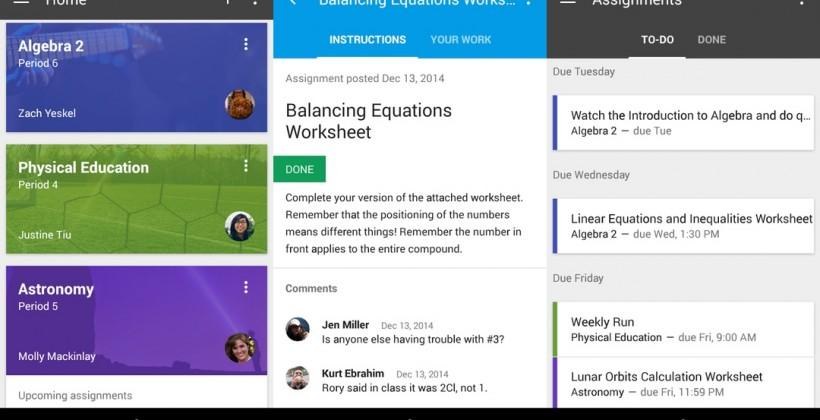
Google Classroom creates a virtual classroom environment where students, parents, and teachers stay connected. Students can submit assignments, collaborate with classmates, and track schoolwork in one location.
Note that schools must set up Google Classroom before students can use it. Check with your child's teachers about availability.
Similar platforms include Edmodo and ClassDojo.
TED-Ed provides animated educational videos on diverse topics. The TED app helps students explore subjects beyond their textbooks through high-quality animations and presentations.
Students engage with content that feels less like studying and more like watching quality educational programming.
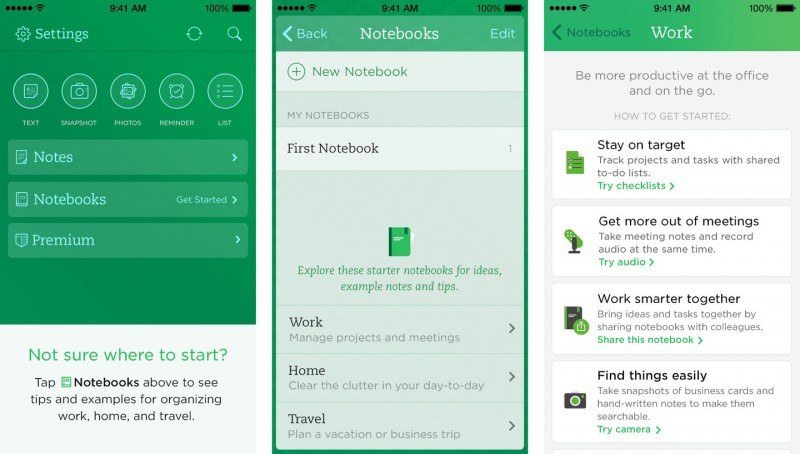
Academic success requires organization. The Evernote app helps students maintain notes, essays, research, and reminders across all devices.
Students can use it for essay drafts, class notes, project research, checklists, and study schedules. The app syncs across devices, eliminating the "I forgot my notes" excuse.
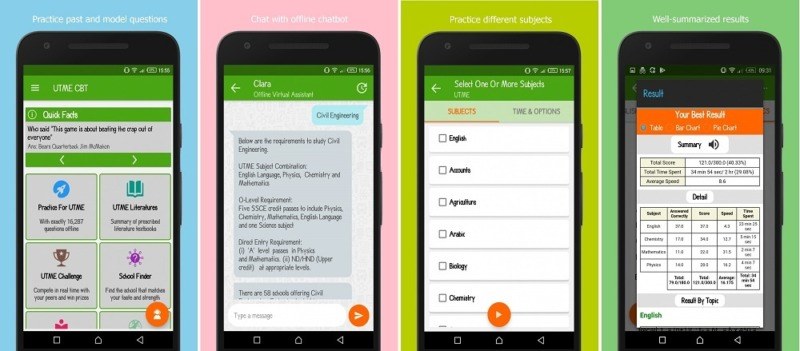
For students preparing for JAMB UTME, WAEC, or NECO, Ulearngo provides comprehensive exam preparation through both web and mobile platforms.
The platform includes:
- Thousands of JAMB, WAEC, and NECO past questions with explanations
- Topic-based practice for targeted improvement
- Timed mock exams simulating real CBT conditions
- Progress tracking across subjects
- AI study assistant (Lexi) for difficult concepts
- Personalized practice focusing on weak areas
Students can use the web-based CBT platform on computers or download the Android app for mobile practice during commutes, breaks, or any available time.
Unlike general educational apps, Ulearngo focuses specifically on Nigerian exam curricula - JAMB, WAEC, and NECO. Students practice with actual exam-style questions rather than generic content.
Choosing Apps for Your Child
Education has changed significantly in recent years. Traditional classroom learning remains important, but these apps provide supplementary support that can improve academic performance.
Balance and supervision matter. Set clear guidelines for app usage, encourage regular use of educational apps, and stay interested in what your child learns. Technology becomes a learning tool rather than pure entertainment when used intentionally.
Different children respond to different learning methods. Try several apps, observe what works for your child, and build from there. The goal is making learning more accessible and effective.
For exam preparation specifically - JAMB, WAEC, or NECO - consider specialized CBT practice apps like Ulearngo that focus on Nigerian examination requirements rather than general educational content.

